

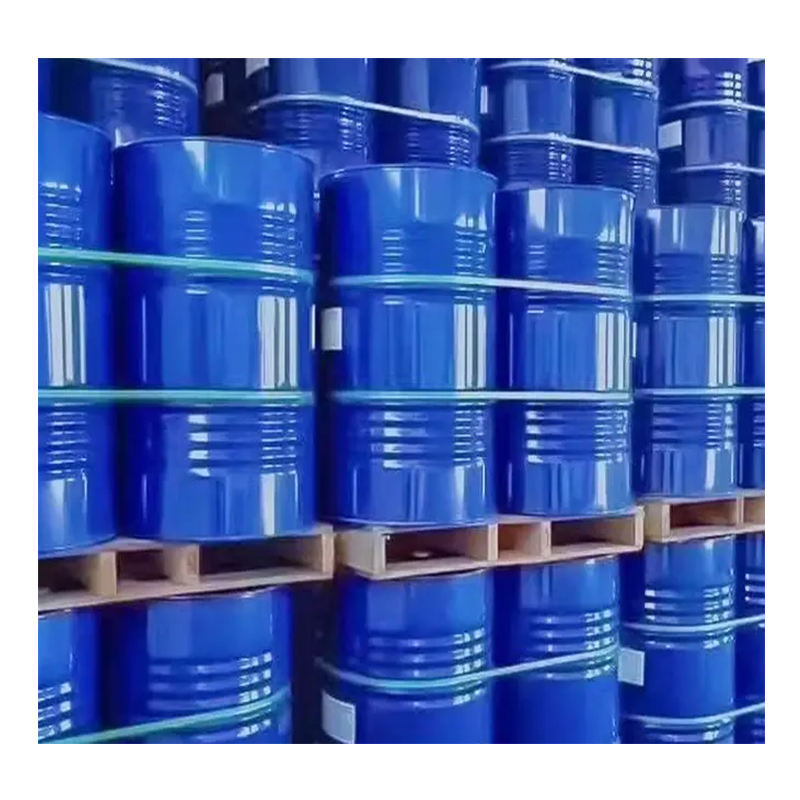
Dibutyl phthalate (DBP) is produced from n-butanol and isobutanol, respectively, which are co-products of the production of 2-ethylhexanol.
Its chemical formula is C16H22O4.
It is colorless to pale yellow in appearance.
DBP is commonly used in mixtures with other plasticizers as a solubility booster in flexible PVC compounds that require low processing temperatures.
Melting point: -35 °C (-31 °F; 238 K)
Boiling point: 340 °C (644 °F; 613 K)
Flash point: 157 °C (closed container)

Structure of DBP
However, their low molecular weight makes them too volatile for most applications.
PVC glazing sealants used as agricultural films have been found to emit DBP vapors.
These vapors are harmful to certain types of greenhouse crops.
Note that isoalkyl phthalates (e.g., DIOP, DIUP, DTDP) do not have a methyl branch on the penultimate carbon of the alkyl chain.
For alkyl groups containing 6 or more carbons, the prefix "iso", by convention, means "branched".
o In electrical and electronic applications, they are used to insulate wires and cables.
o Phthalate plasticizers are widely used in vinyl-based building materials. These materials include flooring and wall coverings. They provide them with flexibility and durability.
2001-2006 – DINP and DIDP are safe for use in current applications
The results of the risk assessment indicate that DINP and DIDP pose no risk to human health or the environment in any of their current uses.
2012 – Australian risk assessment confirms DIDP.
The Australian Government Department of Health and Ageing reported that current exposure to DINP, even at the highest exposure levels, does not pose a health concern for children. These exposures do not constitute a restriction on the use of DINP in toys and childcare articles.
2013 – European Commission confirms safe use of DINP and DIDP in all current consumer uses - European Commission report
The European Commission (EC) has re-evaluated the restrictions on the plasticisers DINP and DIDP. They concluded that:
2014 - The U.S. Food and Drug Administration (FDA) repealed the ban on DIDP and DNOP and banned levels of DINP in child care products above 0.1%.
The U.S. Consumer Product Safety Commission (CPSC) established a Chronic Hazards Advisory Panel (CHAP).
The panel studies and reviews the potential adverse health effects of phthalates used in child care products.
This work is being done under Section 108 of the Consumer Product Safety Improvement Act of 2008:
The CHAP report recommended the following:
Efforts to further regulate phthalates are also underway early in the Obama administration.This was done under the auspices of the Toxic Substances Control Act of 1976. However, it never happened.